BORN FROM THE WILD
Lorianna is a Kenya-born artist and jewellery maker whose work carries the imprint of a life lived between cultures, coastlines, and continents. Born in Mombasa and in later life living between England and Mauritius, her perspective is rooted in culture and a deep belonging to nature. Two influences touch everything she creates, the ocean and the African wilderness, as well as their wildness that cannot be tamed. Her path into jewellery began with her mother's jewellery box. Her mother, who grew up in the Middle East, carried a distinctive sense of adornment that sparked an early fascination with jewellery as both object and expression.
Her work begins where African landscapes, ancestral craft traditions, and raw natural textures converge. She draws on the romantic, evocative forms of adornment found across ancient landscapes, reinterpreted through a modern, sculptural lens. At the core of her practice is texture, imperfection, and memory: the way surfaces hold time, and how organic forms exist within both landscape and object.
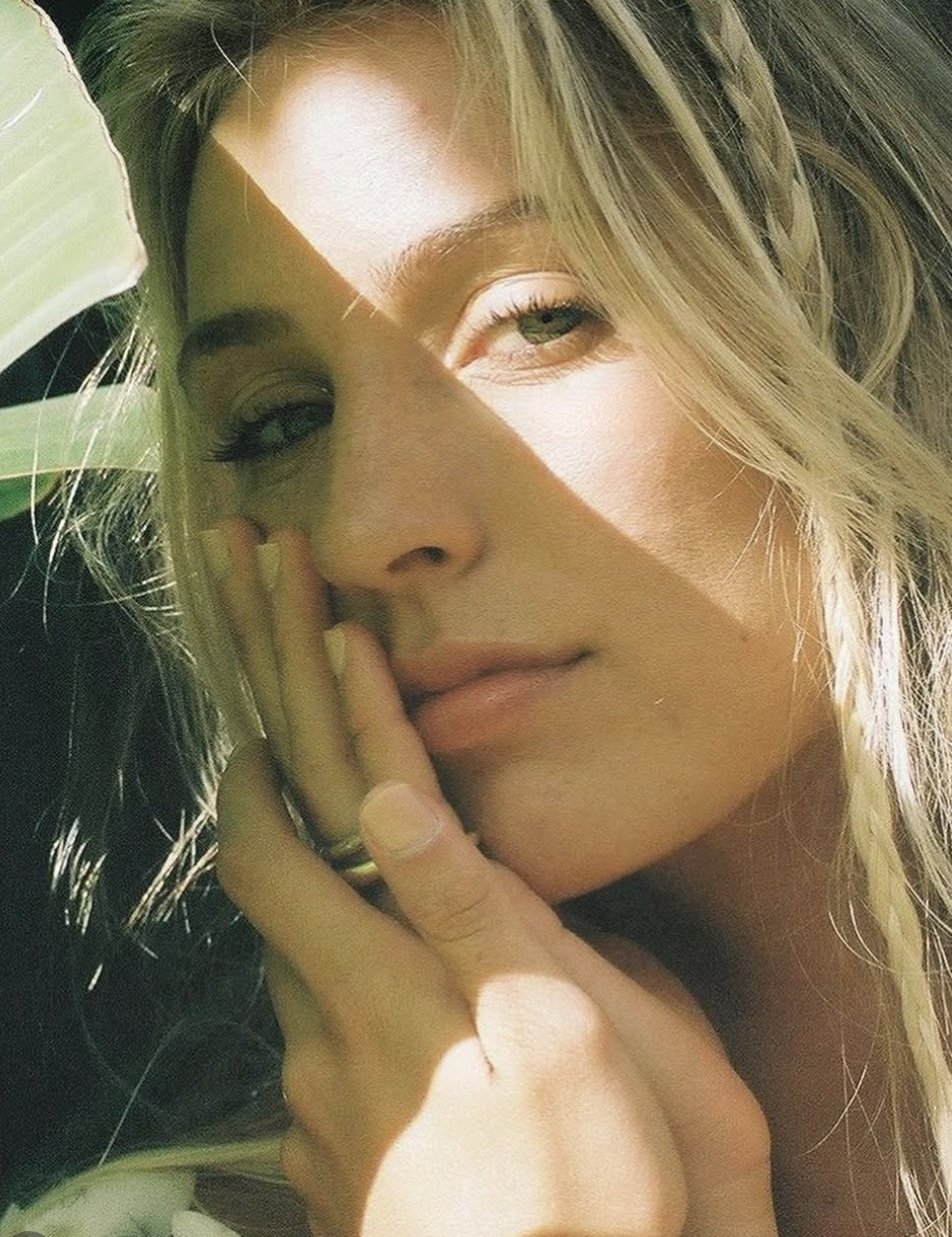
She studied Fashion Journalism and Marketing, focusing her dissertation on jewellery's relationship to feminism and culture. Her experience in front of the lens shaped her understanding of the body in motion, and of the relationship between adornment, form, and presence. What began as fascination deepened into a self-taught practice, and into a language of her own within the craft.
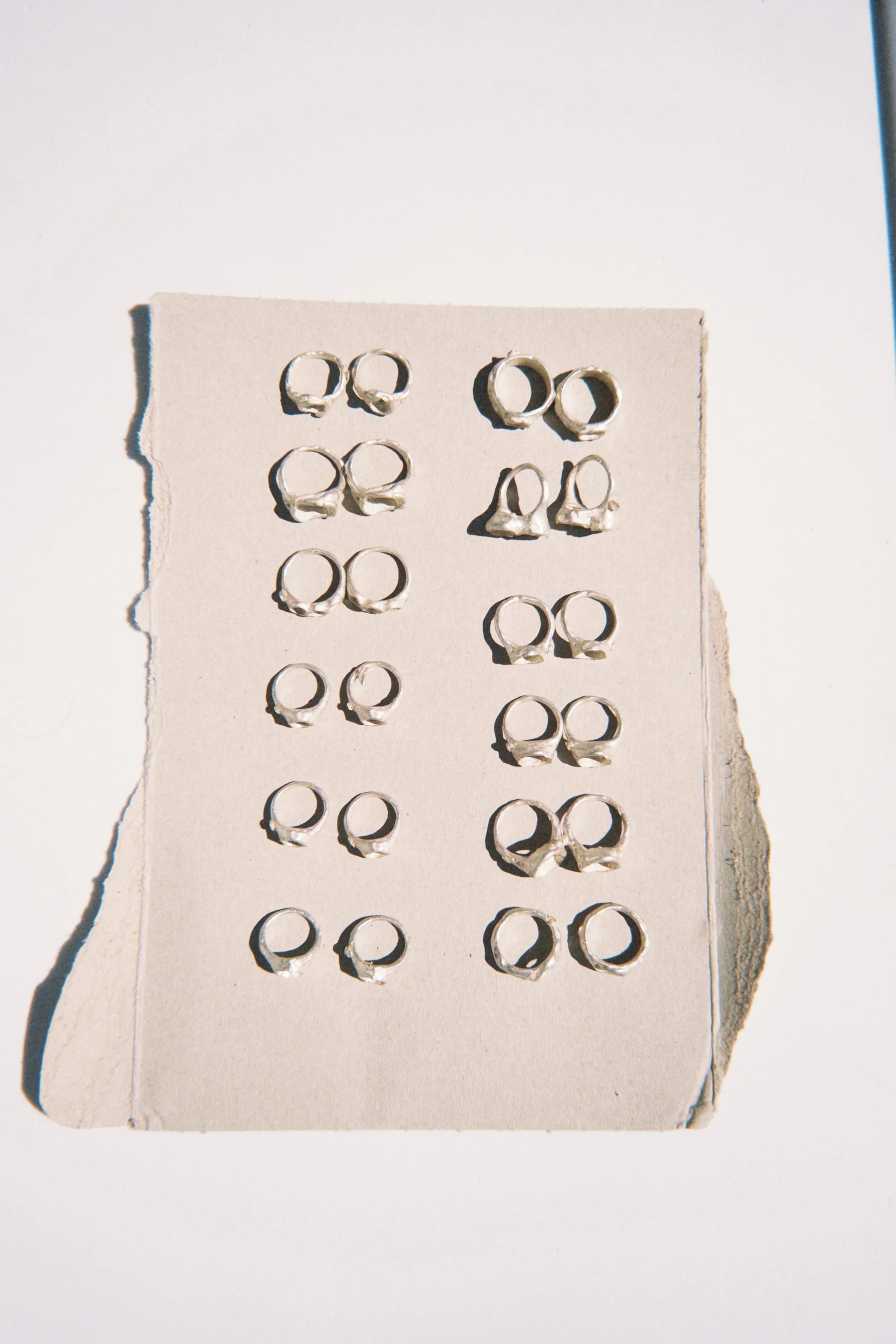
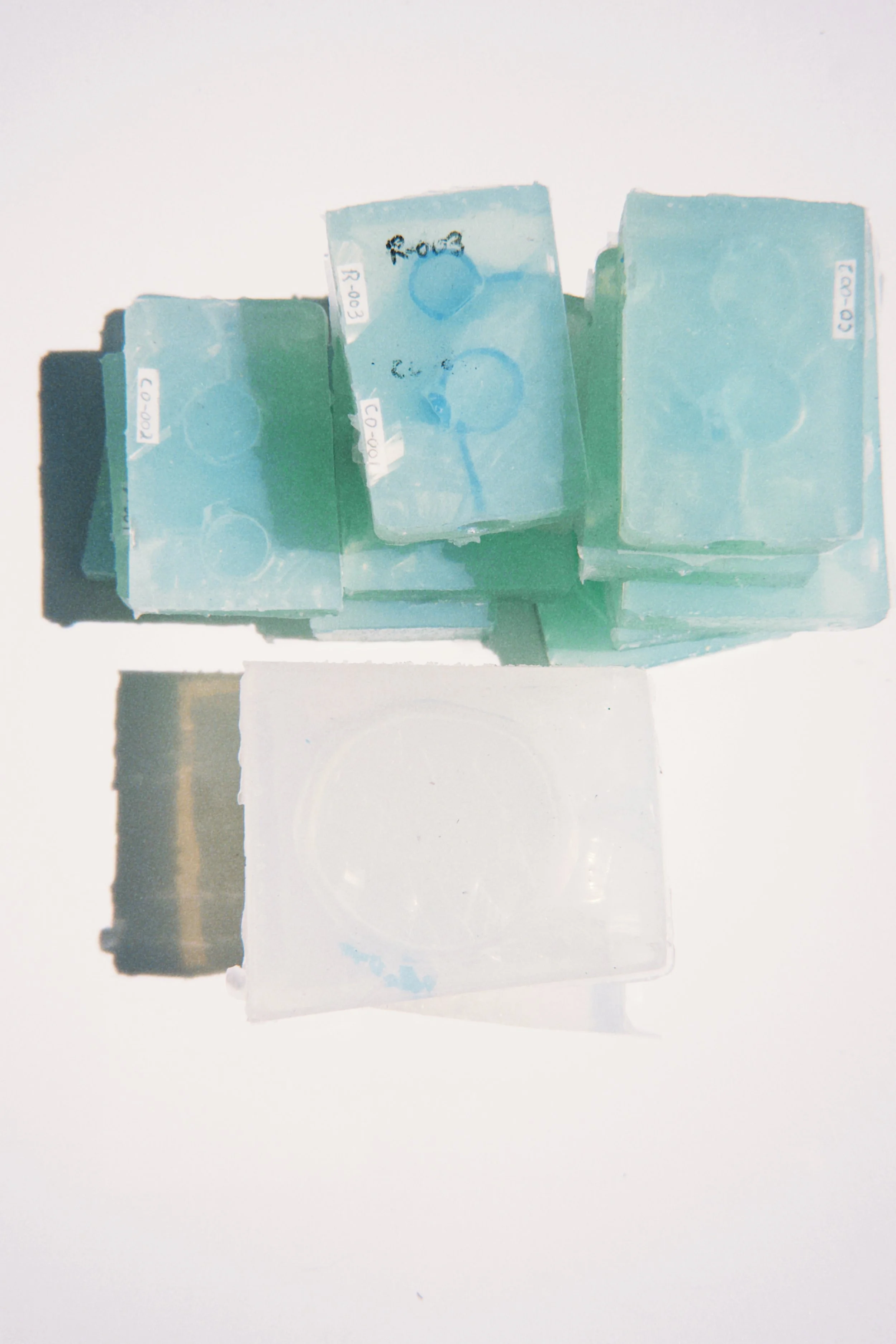
Each piece begins as wax in Lorianna's studio, carved by hand until the form feels right. What she carves is the detail you see. The lost-wax method that follows is thousands of years old. The wax is encased, then burned away. Molten bronze, silver, or gold fills the space it leaves behind. Nothing survives the fire but the form. Every casting is a small act of commitment, and what emerges carries the evidence of its making: textured, weighty, a little imperfect, and entirely handmade.